
About Us
We are a global team redefining how critical minerals value chains get built.
What we built
Spektrum is a development company. We built a repeatable development system designed to resolve complex decisions before conflict hardens and value is lost — at the point where projects still have degrees of freedom and outcomes can be shaped.
This system replaces fragmented, discipline-siloed approaches with a single decision architecture, supported by defined tools, products, and processes that allow risks to be identified, tested, and resolved early.
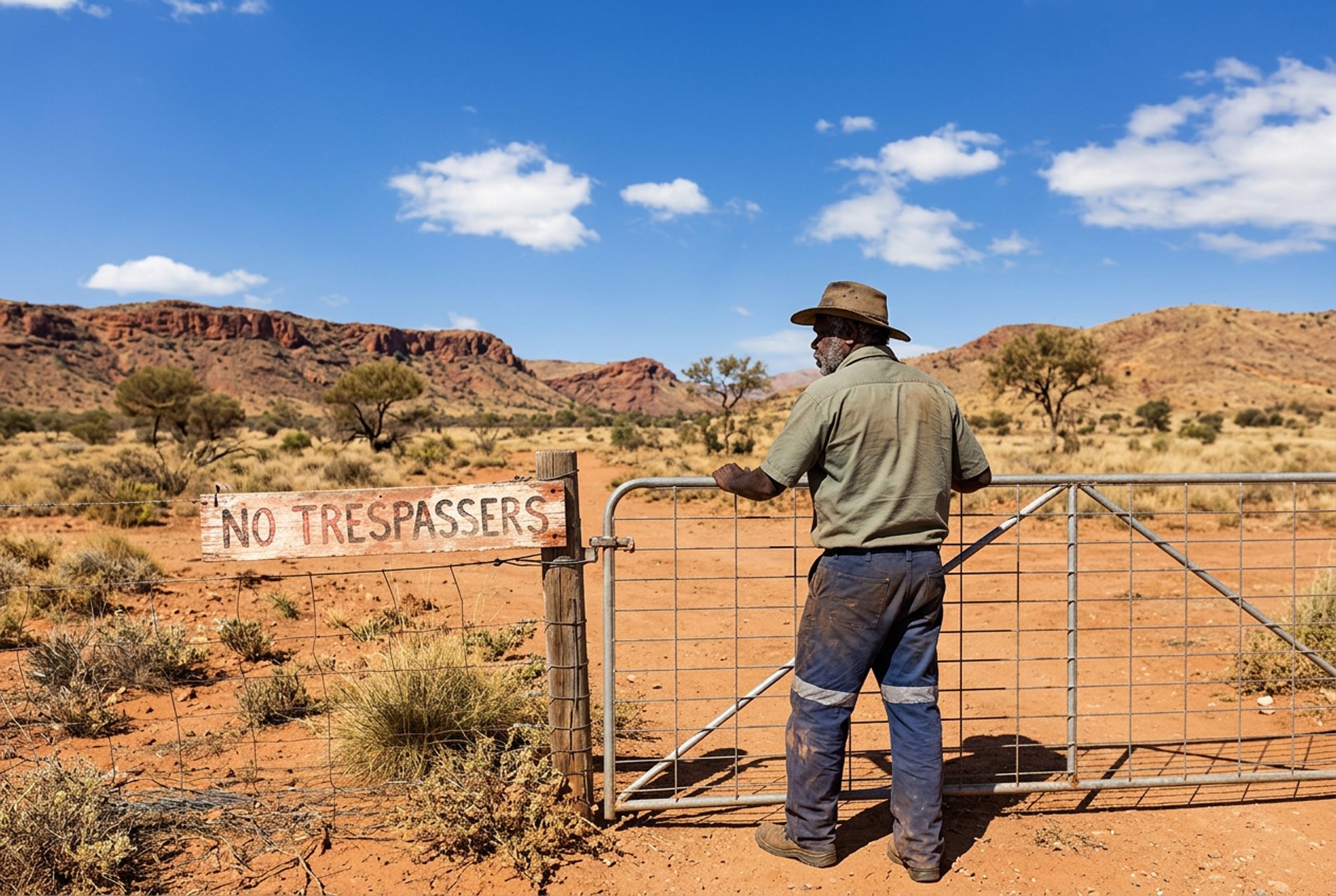
The Spektrum development system
Our system integrates the disciplines most often treated separately — and operationalises them through shared tools and decision logic.
Geology, engineering, technology, and major project delivery
We ground decisions in resource reality and technical feasibility using integrated modelling, scenario testing, and constructability analysis. Engineering, sequencing, and operational constraints are tested early, so social, environmental, and capital decisions are made against what can actually be built and operated.
Law, policy, and governance
We translate legal, regulatory, and policy constraints into decision inputs rather than downstream hurdles — testing durability across jurisdictions, political cycles, and approval pathways before commitments are locked in.
Finance, capital markets, and responsible supply chains
We align development pathways with capital structures, offtake requirements, jurisdictional compliance, and investor time horizons — ensuring projects are designed to meet real capital allocation criteria, not just technical ambition.
Environment, biodiversity, and land systems
We integrate ecological limits, cumulative impacts, land-use constraints, and nature-positive outcomes directly into project design and sequencing, so environmental risk is managed through design choices rather than mitigation after the fact.
Social licence, Indigenous knowledge, conflict resolution, and human rights
We assess how trust, authority, consent, and legitimacy are formed in specific contexts, and embed rights-based considerations into governance, participation, and decision rules — preventing the escalation patterns that lead to delay, litigation, or shutdown.
Social systems, Indigenous governance, and regional economic design
We design participation, procurement, and regional economic pathways into projects from the outset, linking development outcomes to local capability, wellbeing, and long-term stability rather than short-term compensation models.
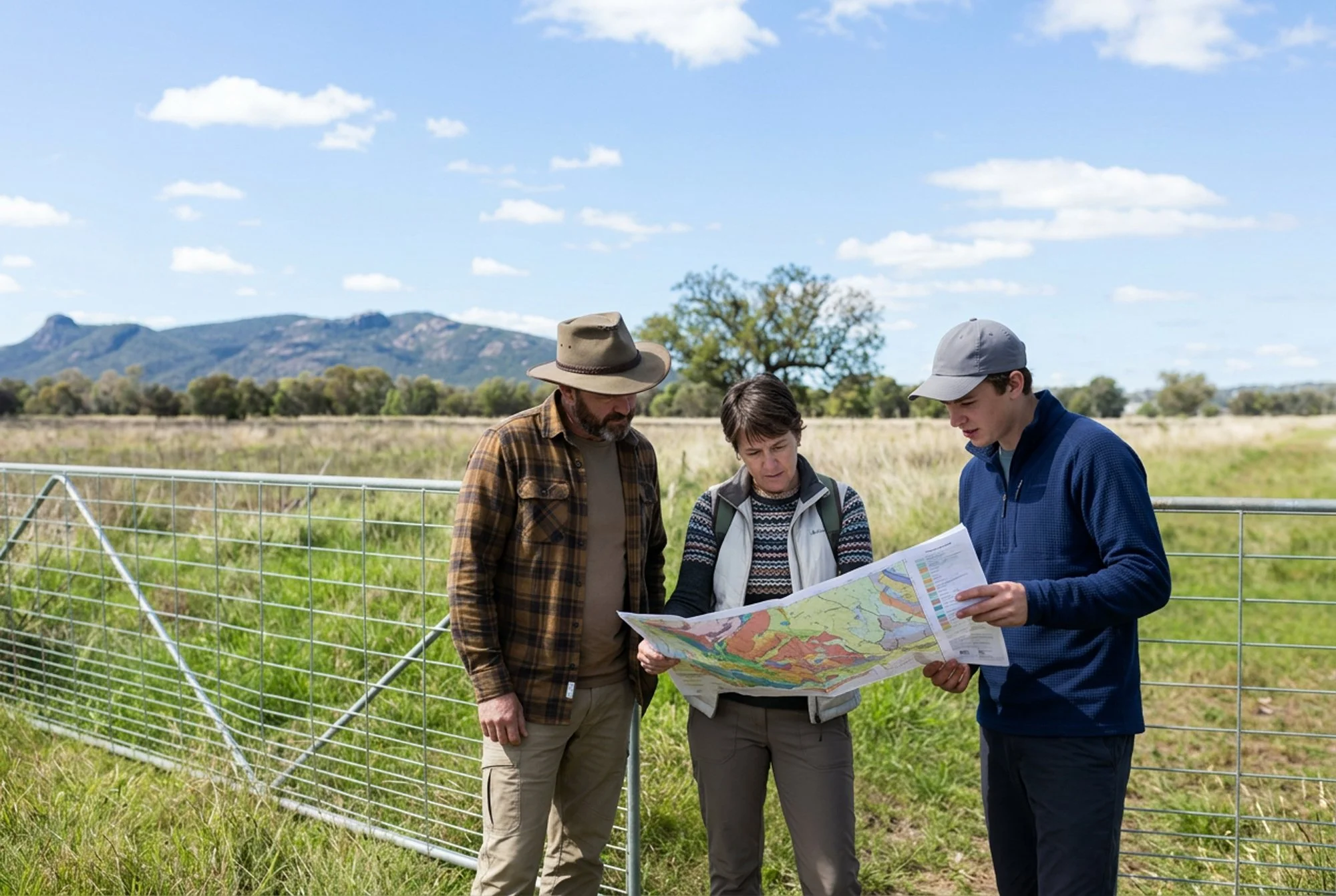
How the system works
These elements are not managed as parallel workstreams.
They are integrated through:
shared decision criteria and thresholds
structured scenario testing across disciplines
defined products (development screens, legitimacy assessments, pathway options, and go/no-go gates)
and a clear sequence for resolving uncertainty before capital, approvals, or construction are committed.
This allows trade-offs to be surfaced early, risks to be priced accurately, and development pathways to be designed to hold socially, legally, environmentally, and economically — not only technically.

What makes this different
Spektrum operates the development system — producing the analysis, alignment, and decisions required to move projects from uncertainty to investability, or to stop them early where no durable pathway exists. It is system-level development execution, designed for speed, credibility, and durability.
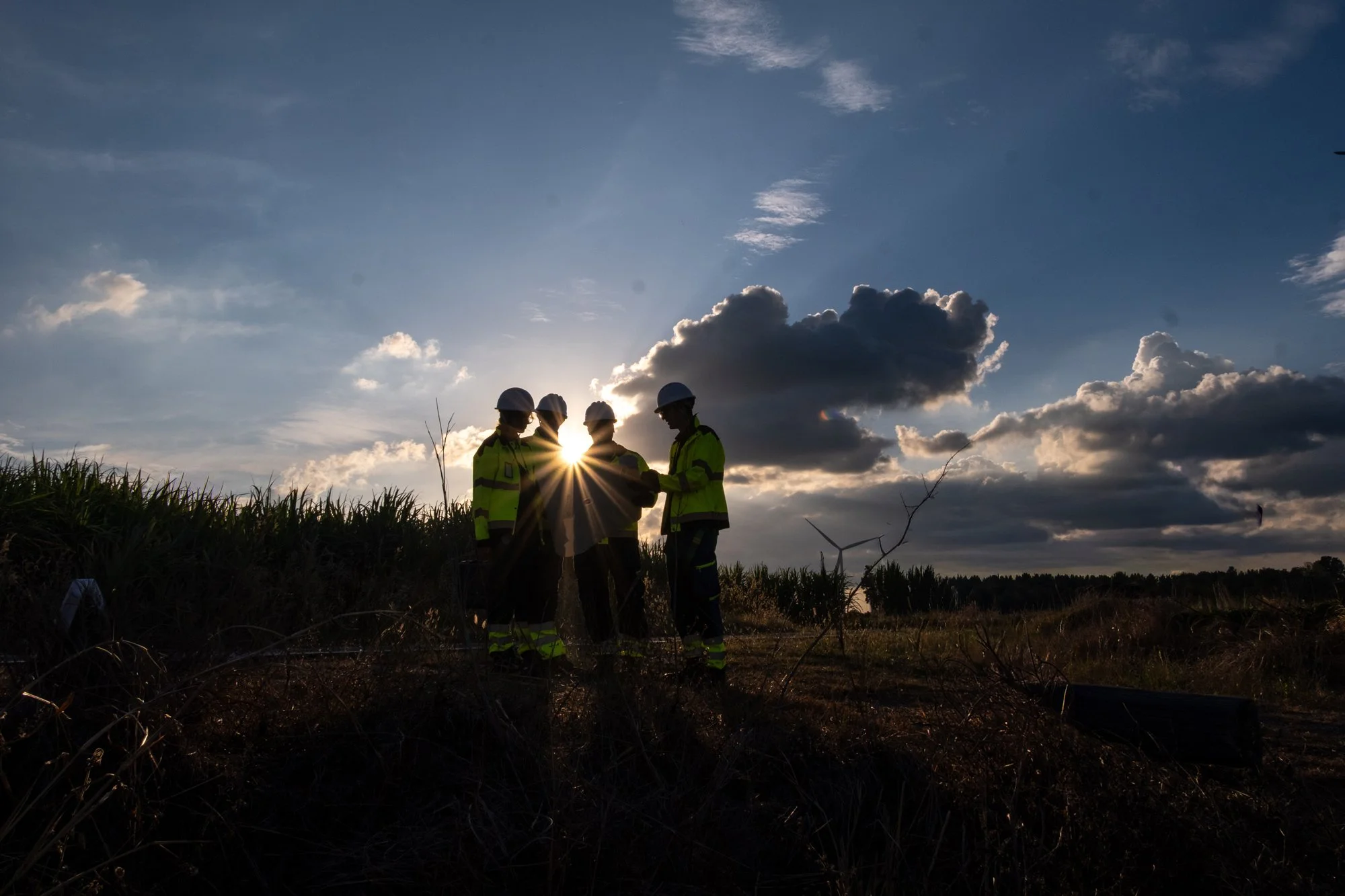
Meet our founder
Katherine Teh

I grew up between two worlds.
My father is a mining engineer. My mother is an activist. Across generations in my family, development was never abstract. It created livelihoods, reshaped landscapes, sparked protest, and left consequences that lasted long after projects ended.
From early on, I understood that mining companies, governments, investors, Indigenous Peoples, and activists are not separate actors — they are part of the same system, even when that system pulls them into conflict.
As a resources journalist and later as an adviser, I worked across that system. I worked with boards allocating capital and managing risk. With governments balancing development, legitimacy, and public accountability. And with Indigenous leaders, communities, and activists when decisions felt closed before they had a voice.
In the 1990s, I was involved in developing some of the industry’s first global social and environmental standards. At the time, many of us believed this would fundamentally change how development decisions were made. Instead, those standards were gradually boxed into compliance, reporting, and disclosure. Important — but peripheral. They improved transparency, not the development model itself.
What became clear over time was this:
projects fail not because fundamentals are weak, but because legitimacy, consent, and environmental limits are addressed too late.
When development is treated as a sequence of isolated steps — approval, financing, construction — risks accumulate invisibly. Costs are pushed downstream. Communities absorb impacts without agency. When things break, the burden falls unevenly on Indigenous Peoples, governments, and ultimately investors.
By contrast, when development is treated as a system — across the full value chain and over time — alignment becomes possible. Risks don’t disappear; they are managed earlier, more honestly, and more effectively. Derisking, done properly, does not destroy value. It removes the high-risk tail that does.
The conclusion was not that mining companies, governments, or investors needed to become something else. Each is already optimised for its role.
What was missing was a development capability designed to integrate these perspectives before capital is locked in.
That insight led to Spektrum.
Spektrum was built as a development company operating upstream — where legitimacy can still be built, trade-offs can still be shaped, and finance can be structured to support durable outcomes across the value chain.
We act as a co-developer: designing development pathways that align engineering, environmental limits, social consent, governance, and capital — so projects can proceed with confidence, or stop before value and trust are destroyed.
Today, Spektrum works across stranded assets, greenfield projects, and energy-transition infrastructure where fundamentals are strong but development certainty is missing.
Spektrum exists not because the system failed — but because it needed an additional capability.
That is the role we were built to play.
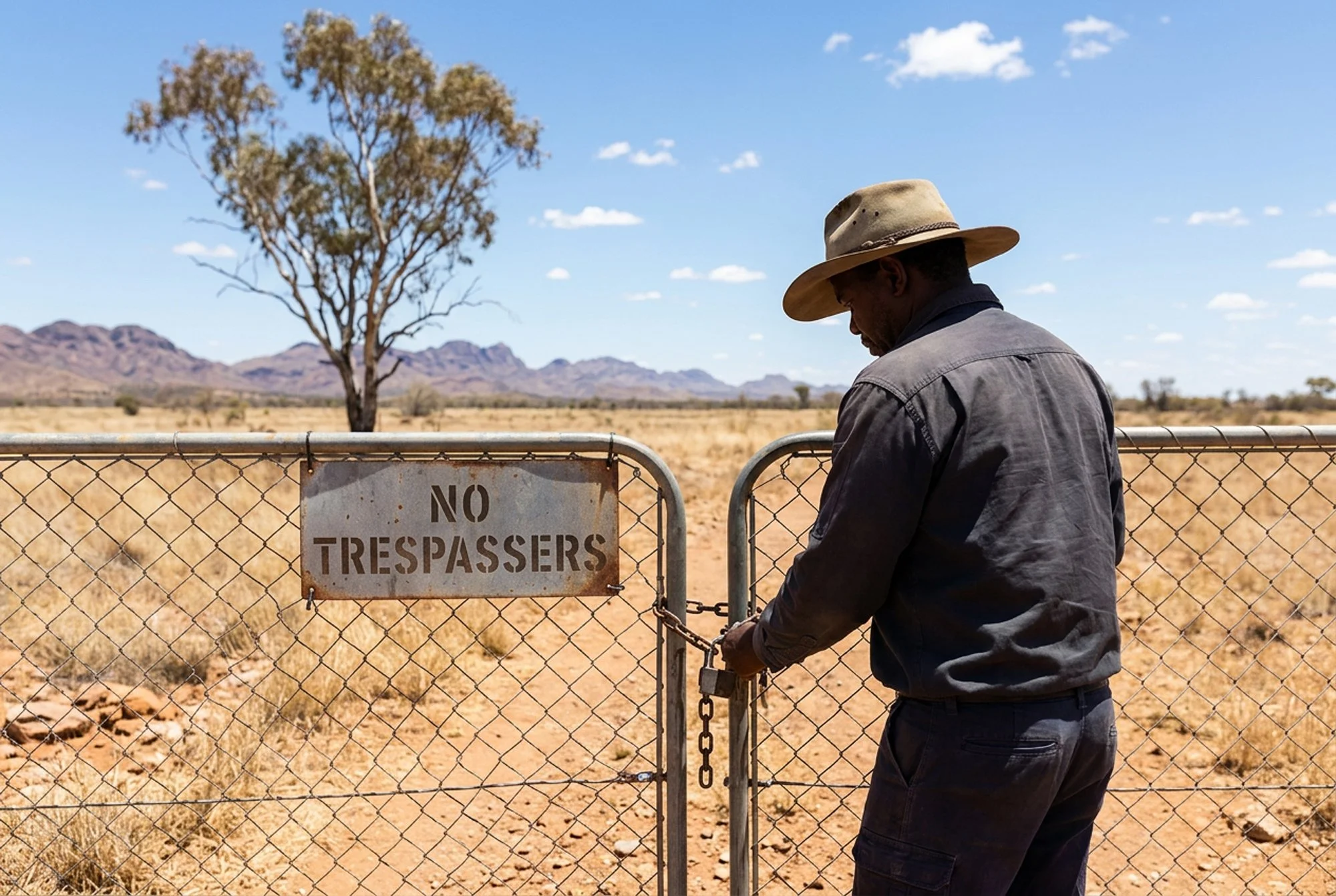
How we operate
Spektrum applies its development system across geographies and asset types — from stalled and stranded assets to greenfield developments — with particular relevance to critical minerals and transition-linked infrastructure.
Our operating approach is based on a simple principle:
decisions that determine outcomes must be resolved early, not deferred downstream.
By integrating technical, legal, social, environmental, and capital decisions while projects still have degrees of freedom, we:
reduce approval and permitting fragility
surface and resolve community and Indigenous concerns before positions harden
strengthen investor confidence and offtake credibility
limit delays driven by conflict, litigation, or political reversal
Culture is treated as a system condition, not a soft variable.
Power dynamics, history, legitimacy thresholds, and feedback loops are explicitly analysed and designed for, because they materially shape whether development proceeds, stalls, or fails. These factors are embedded into project design, governance, sequencing, and participation — not managed reactively once conflict emerges.
This is how development pathways are made durable across technical, social, legal, and political dimensions.

Who we are
Designed for Development by Consent©
Spektrum was designed from the ground up for a form of development that most existing mining and infrastructure organisations are not culturally or structurally equipped to deliver.
Our analysis has shown that the culture and skills required to achieve authentic Free, Prior and Informed Consent (FPIC) — and tosustain it over time — are fundamentally different from those embedded in traditional mining development pathways.
FPIC is not a procedural step.
It is a way of working that requires different incentives, behaviours, power-sharing, and decision-making norms.
-
Conventional development organisations are optimised for:
capital deployment
technical execution
schedule and cost control
They are not designed to:
share decision authority early
sit with uncertainty rather than force closure
integrate social, cultural, and political constraints as design inputs
hold long-term relational accountability with communities and Indigenous Peoples
When FPIC is layered onto these models, it is often treated as a compliance task — which is why conflict, delay, and loss of legitimacy recur even in well-funded projects.
-
Spektrum’s leadership, teams, and operating culture are intentionally designed to work before capital hardens positions and before conflict escalates.
Every member of our team:
understands why traditional development pathways fail on legitimacy
is committed to Development by Consent as a core operating principle
is trained to work across disciplines without defaulting to silos
is comfortable sharing power, information, and decision-making with affected parties
This is a cultural choice as much as a technical one.
-
Our teams are multi-skilled by design — not to cover more ground, but to integrate decisions in real time.
We bring together capability in:
strategy and development planning
social licence and consent processes
cultural heritage and Indigenous knowledge systems
sustainability and environmental performance
finance and capital structuring
geology and engineering
government relations and public policy
These skills are not deployed sequentially or in isolation.
They are applied together, within a shared decision framework, so trade-offs are understood and resolved early.
-
At Spektrum, culture is not an internal value statement.
It is development infrastructure.
It determines:
how decisions are made
whose knowledge counts
how conflict is handled
whether trust can form and endure
This is why we invest as much in how we work as in what we deliver.
Development by Consent© only works when the organisation delivering it is culturally aligned to the task.
That is what Spektrum was built to do.