
Who we work for
Society
We work with communities to build legitimate development pathways.
Development by Consent© for Society
Development by Consent© (DbC) is decision architecture designed to ensure procedural fairness and legitimacy before development decisions are made for basins or advanced exploration. In these cases it applies Free, Prior and Informed Consent (FPIC) while engineering, environmental, and financing decisions are still open — before commitments, approvals, or contracts constrain outcomes.
In practice, FPIC is commonly offered after projects are already designed and financed. At that point, participation cannot change outcomes. DbC addresses this gap by shifting decision authority upstream, where Indigenous peoples, communities and NGOs can meaningfully shape — or stop — a project.
DbC provides procedural fairness in cases where the projects are stalled or frozen. Instead of the sunk capital and urgency to permit driving decisions, it creates a process that enables procedural fairness, and decision integrity to be applied, not persuasion or stakeholder management.
It is based on four operational rules:
Participation occurs before power is exercised
Engagement happens before permits, financing, or contracts constrain outcomes or create irreversible commitments.Participation can change the decision
Engineering design, scale, location, timing, and economics remain open to revision — including cancellation.The right to withhold consent is real
Non-consent is a valid outcome, not a failure of the process and is treated as a legitimate decision state within governance and investment sequencing.Rules apply to the proponent, not just the community
Governance, grievance, and remedy mechanisms are established before development begins, and operate throughout the life of the project.
These rules ensure that those affected have real influence early.

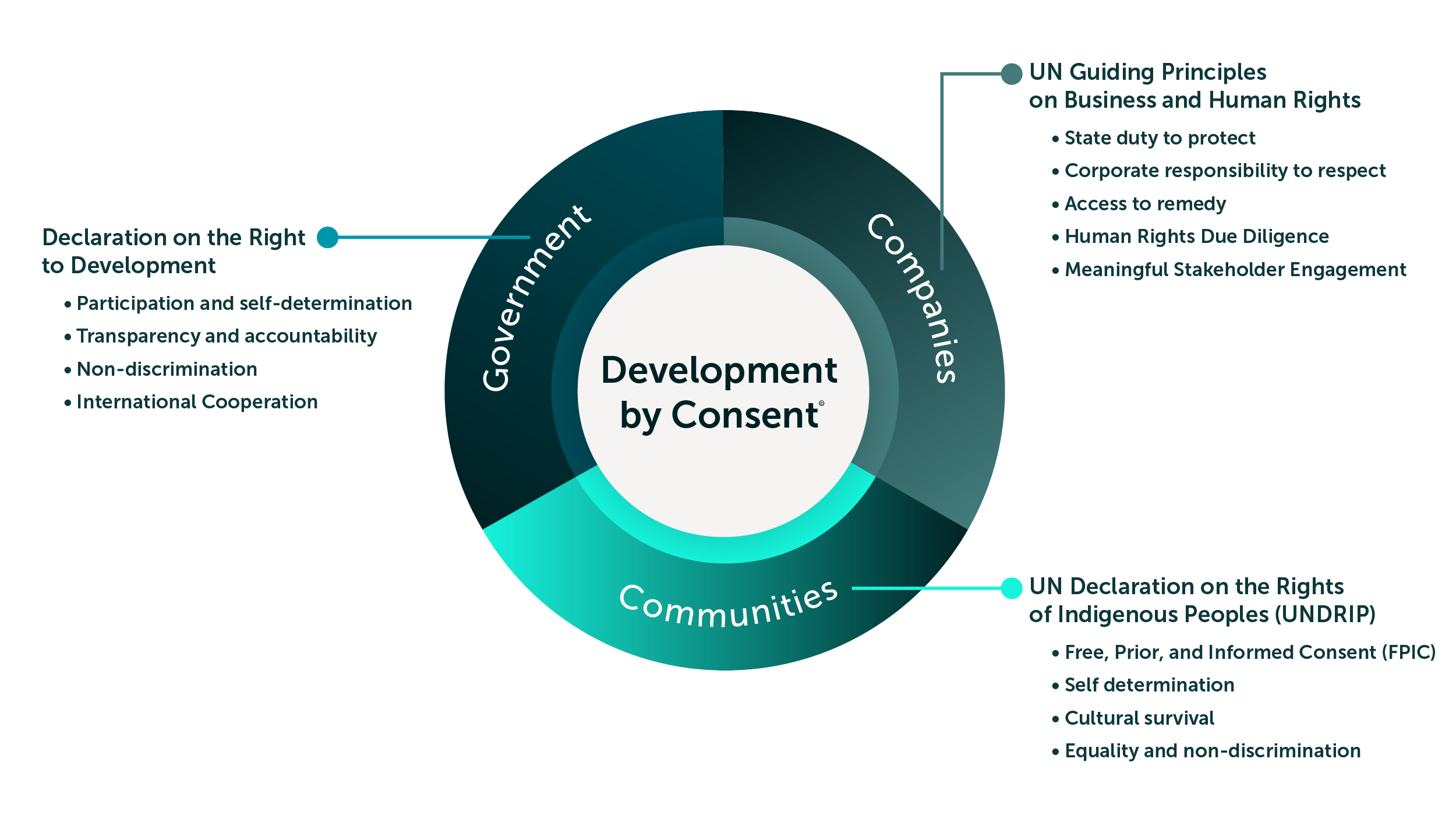
The international principles behind Development by Consent©
DbC is grounded in and operationalises established international frameworks:
UN Declaration on the Rights of Indigenous Peoples (UNDRIP)
Including Free, Prior and Informed Consent for activities affecting lands, resources. and respect for Indigenous governance and decision-making institutions.UN Guiding Principles on Business and Human Rights (UNGPs)
Requiring early identification and prevention of harm, effective mitigation, and access to remedy where harm occurs.UN Declaration on the Right to Development
Affirming that development must expand people’s choices and agency and be shaped through participation rather than imposed through authority or capital.


How Development by Consent© operationalises FPIC
DbC applies FPIC in where permits have not been issued after conflict has occurred or before in the cases of advanced exploration and basin development. We use a structured, seven-stage process where at every stage, stopping the project is a legitimate outcome.
Community voice is considered in engineering and financing decisions early so that:
technical choices can change in response to concerns
financial pressure does not override consent
risks are addressed before they escalate
accountability exists before harm occurs.
DbC is explicitly designed to prevent:
consultation occurring only after key decisions are already taken
consent constrained by sunk costs
engagement being treated as a procedural or compliance exercise rather than a decision-shaping process
grievance and remedy processes that activate only after harm has occurred.
Projects proceed only where legitimacy is established in parallel with technical, environmental, and financial assessments, and is treated as a condition of advancement.
Where assets have been built FPIC is applied as a procedural fairness approach.

Bottom line
DbC exists so Indigenous peoples, communities, and NGOs can influence outcomes without having to escalate conflict to be heard.
It makes procedural fairness real by locating participation and consent at the point where decisions are still open and power has not yet been exercised.
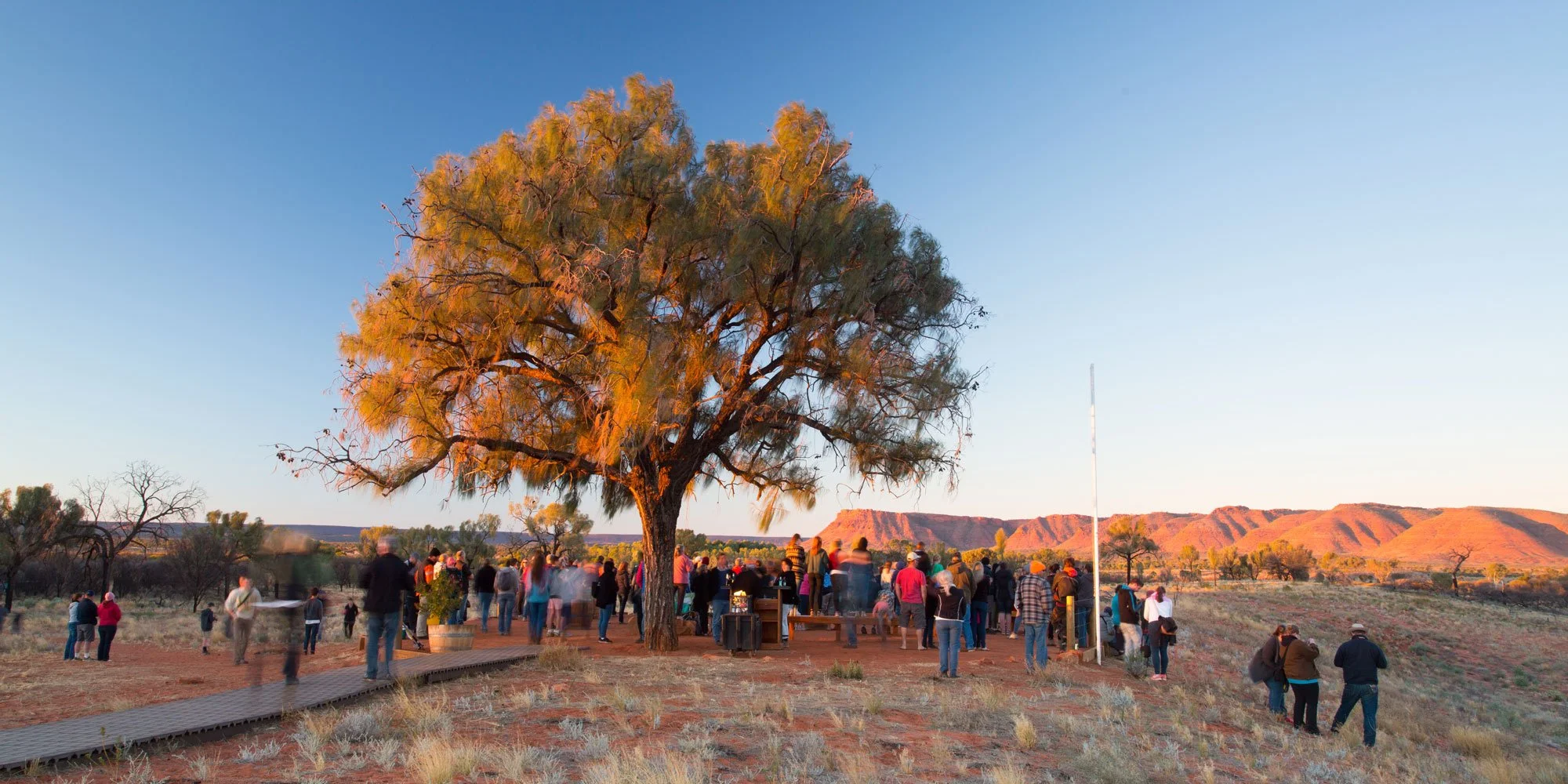
Our commitments - to Indigenous peoples
Spektrum operates in recognition of the unique rights, cultures, and connections that Indigenous Peoples hold with their lands and communities. Our commitment is to work in partnership – in a way that reflects Indigenous authority, governance, and decision-making, and supports durable and legitimate development outcomes.
This means:
Honouring self-determination
Indigenous self-determination and cultural heritage are respected, including Indigenous governance, decision-making processes, and cultural authority.Structuring consent
Our development decisions are structured around Free, Prior and Informed Consent (FPIC) through fair and ongoing processes, recognising that consent may be given, conditioned, withheld, or withdrawn.Listening deeply
We listen and learn about the values and priorities of each community, engaging in ways that respect Indigenous timeframes, protocols, and ways of making decisions.Designing governance
We design governance arrangements that endure for the life of the project, including joint monitoring, clear roles, and agreed pathways for escalation and dispute resolution.Providing remedy
We provide clear pathways for dialogue, feedback, and resolution, including accessible grievance mechanisms that operate without retaliation.
We believe that consent and collaboration are essential—not optional—for creating projects that are legitimate, durable, and that legitimacy is grounded in Indigenous consent, not assumed agreement or universal benefit.
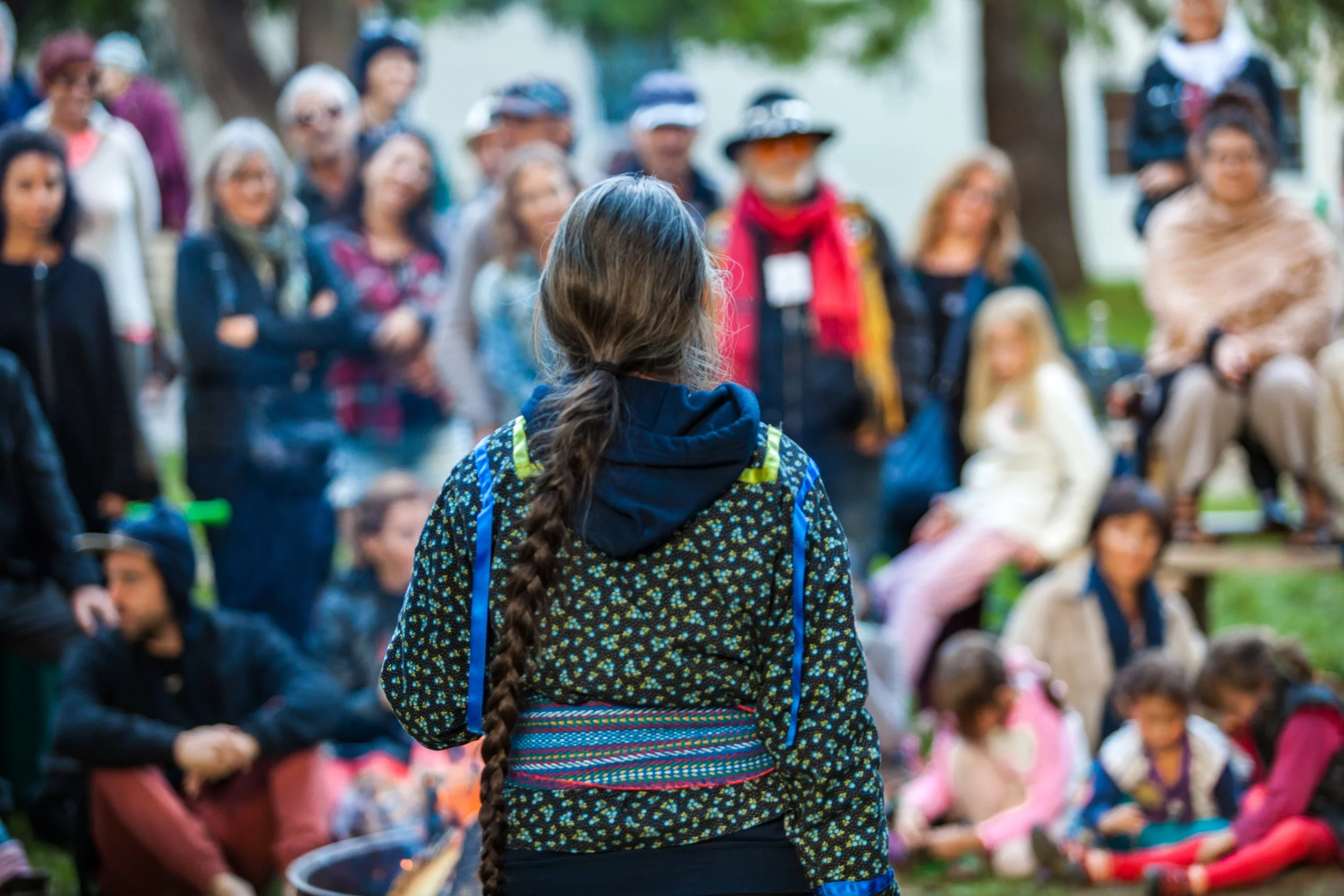
Our commitments – to communities
At Spektrum, we believe that strong, respectful relationships with communities are essential for every project. Our commitment goes beyond compliance – we work to ensure that engagement is meaningful, transparent, and fair.
This means:
Listening early
We listen early and openly to community perspectives, recognising that agreement is not always immediate — and sometimes not possible — and we design our processes to respect differing views.Sharing information
We share clear, accessible, and timely information about our projects so people can understand potential impacts, options, and trade-offs.Enabling participation
We create opportunities for genuine participation in decisions that affect people’s lives, land, and wellbeing, while choices are still open.Providing remedies
We provide safe, responsive, and accessible ways to raise concerns and seek remedies, without retaliation or escalation.Delivering benefits
We strive for outcomes that deliver shared benefits and support long-term community wellbeing.
We aim to build trust through action, fair process and follow through – because durable partnerships are the foundation of sustainable development.

Our commitments – to NGOs
We are united by a shared interest: ensuring projects respect people, protect ecosystems, and deliver lasting benefits. Spektrum’s approach is built on transparency, accountability, and partnership – recognising that durable outcomes depend on trust, scrutiny, and shared responsibility across institutions.
This means:
Engaging early
We engage in early and honest dialogue about potential impacts and trade-offs, including where views differ or concerns cannot be fully resolved.Enabling scrutiny
We provide access to clear, timely information to enable informed scrutiny, challenge, and engagement.Ensuring oversight
We apply independent oversight and maintain auditable processes to ensure integrity, defensibility, and accountability over time.Protecting environment
We are committed to environmental stewardship, including water security, biodiversity protection, and pursuing measurable progress toward Nature Positive outcomes.Respecting rights
We respect human rights and cultural heritage, with Free, Prior and Informed Consent (FPIC) applied as a decision condition where Indigenous rights and governance are engaged.Resolving grievances
We maintain accessible grievance pathways that provide fair remedies, prevent escalation, and are transparent about how grievances inform project decisions.
We recognise that constructive challenge from NGOs strengthens outcomes for communities, ecosystems, and future generations. We commit to engaging in good faith, responding transparently, and adapting where evidence and impact warrant change.