
Our Team
We are a global team redefining how critical minerals value chains get built.
Experience coverage
Our team has worked across the full resources and industrial value chain in Australia, North and South America, Africa, Europe, the Middle East, and Asia–Pacific, with direct experience in how major projects are conceived, financed, built, operated, adapted, and, where necessary, closed or re-structured.
We have been involved at every stage of the asset lifecycle — from early exploration and feasibility through to construction, operations, expansion, sustaining capital programs, closure planning, and complex turnarounds — across copper, gold, iron ore, nickel, zinc, phosphate, coal, gas, aluminium, steel, and chemical assets. This experience spans stable operating environments as well as projects facing licence suspension, activist-led shutdowns, class actions, regulatory intervention, and political scrutiny.
In addition to mining, we have worked with chemical manufacturers, processing plants, and downstream value chains, as well as across agriculture, energy, and infrastructure, supporting sustainability, risk, and licence challenges at both project and portfolio level. We have operated at the interface of Indigenous land rights, community opposition, environmental risk, and regulatory oversight — including situations where assets were curtailed or stranded not by technical failure, but by legitimacy breakdowns. This cross-sector, cross-jurisdiction experience gives us deep pattern recognition, enabling us to translate global lessons into grounded, place-specific, decision-grade strategies that are credible to communities, regulators, industrial operators, investors, and downstream customers alike.

Executive Chair
Katherine Teh is Executive Chair of Spektrum, where she leads external engagement, governance, and institutional relationships with governments, investors, regulators, Indigenous leaders, and international partners.
Katherine Teh
-
Katherine is a pioneer of sustainability and social licence strategy, with more than 30 years’ experience designing, approving, and stabilising complex resource and infrastructure projects across multiple jurisdictions. She has worked both as an executive inside companies and as an adviser, specialising in development strategies that anticipate political, regulatory, social, environmental, and human rights constraints early — removing the conditions that typically lead to conflict, delay, or loss of licence.
Her work is recognised for shifting projects from confrontation to consent. This includes designing the approval strategy for the Gorgon LNG project, which materially reduced political and regulatory risk and remains one of the few major energy developments globally to proceed without any activist opposition. She has also worked directly with activist groups in high-conflict contexts — including blockades and site shutdowns — to resolve underlying issues, realign project design, and enable progression to licensing or the retention of operating approvals.
A former journalist, Katherine brings deep capability in public narrative, accountability, and institutional trust. In 1998, she was a co-founder of the UN Global Compact Cities Programme, pioneering city-level sustainable development partnerships that later informed what is now Sustainable Development Goal 17.
In 2002 she founded the world’s first social licence consultancy called Futureye that she ran for 19 years. Her work sits at the intersection of development, governance, and human rights.
Katherine was the industry partner with Monash University’s Castan Centre for Human Rights Law on the world’s first case-study series examining the role of transnational corporations in upholding human rights. This work informed the United Nations Guiding Principles on Business and Human Rights and continues to be used internationally.
Katherine has held senior advisory and governance roles across government, industry, and academia. These include Chair of the Project Approvals Sub-Committee of Victoria’s Earth Resources Development Council, advising the Minister for Resources and Energy, and membership of the Australian steering committee that developed the world’s first social and environmental standards for the mining industry. Her board experience spans entrepreneurship, education, environmental procurement, and natural resource management, including chairing a women’s entrepreneurial incubator and serving on academic boards.
She was recognised as Telstra Victorian Businesswoman of the Year in 2000 for leading an innovative company and was inducted into the Victorian Women’s Honour Roll in 2003 for her leadership in addressing sexual harassment in the workplace.
At Spektrum, Katherine’s role is deliberately external-facing and governance-led. She focuses on institutional legitimacy, alignment with international legal and market frameworks, and ensuring that Spektrum’s development model engages credibly with the full system of stakeholders required for durable, consent-based project delivery.
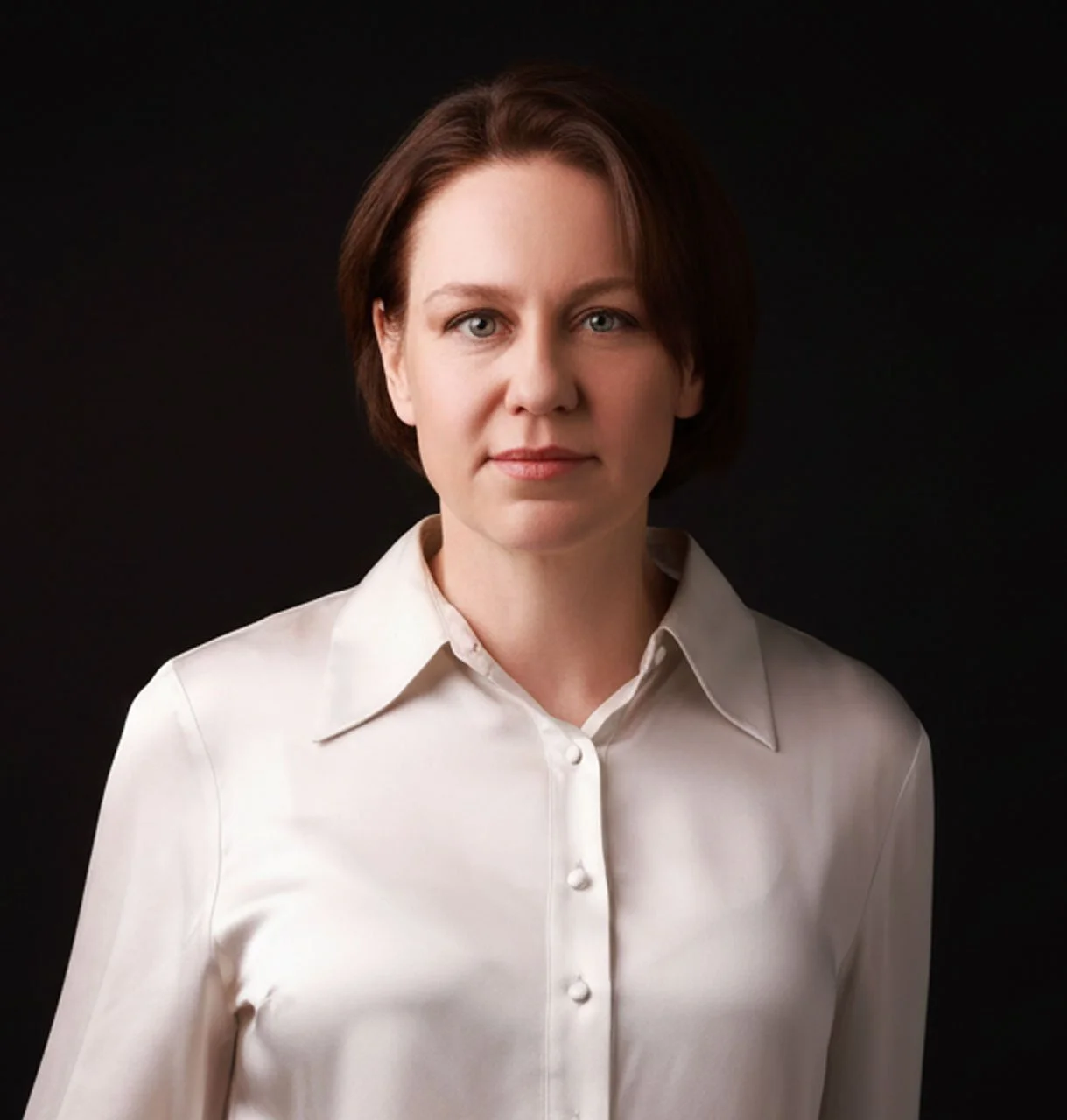
Chief Executive Officer
Anna Quillinan is Chief Executive Officer of Spektrum, responsible for building the organisation, leading its people, and ensuring the coordinated delivery of the company’s development model across projects, partners, and jurisdictions.
Anna Quillinan
-
Anna brings more than 25 years’ experience as an engineer, project manager, business developer, and senior executive across the resources, energy, chemicals, and infrastructure sectors. Her career spans the full project lifecycle — from early-stage concept design and feasibility through to delivery, operations, and capital maintenance — giving her a deep, practical understanding of what is required to turn complex development concepts into operational reality.
She began her career with Pasminco, working predominantly in downstream zinc processing, before joining WorleyParsons (now Worley), one of the world’s largest EPCM contractors. Over an 11-year period, Anna worked across mega-scale projects, early-stage development, and sustaining capital programs for the mining, chemicals, and oil and gas industries. During this time, she held roles as a process engineer, project manager, and ultimately senior executive, with responsibility for engineering and project delivery across the Australia East business and accountability for up to 1000 employees at any one time.
This experience shaped Anna’s strength in leading large, multidisciplinary teams and coordinating complex interfaces between engineering, commercial, regulatory, and operational functions. She brings a systems-led approach to development, recognising that project success depends on disciplined integration across all contributing roles, not excellence in any single discipline.
More recently, Anna has applied this capability at ENGIE, the world’s largest independent power producer and a global leader in the energy transition. As leader of ENGIE’s Energy Solutions business in Australia, she established and grew the business from inception, developing and executing a strategy focused on ENGIE-owned and operated, precinct-scale net-zero infrastructure. This included building long-term partnerships with universities, shopping centres, and cities, enabling exclusive development, ownership, and operation of integrated energy systems.
At Spektrum, Anna’s role as CEO is to translate the company’s development model into an operating business — building the team, systems, and delivery discipline required to apply Spektrum’s capability consistently and at scale. She oversees coordination across engineering, governance, finance, environmental, and social functions, ensuring projects are developed and executed with rigour, clarity, and accountability.
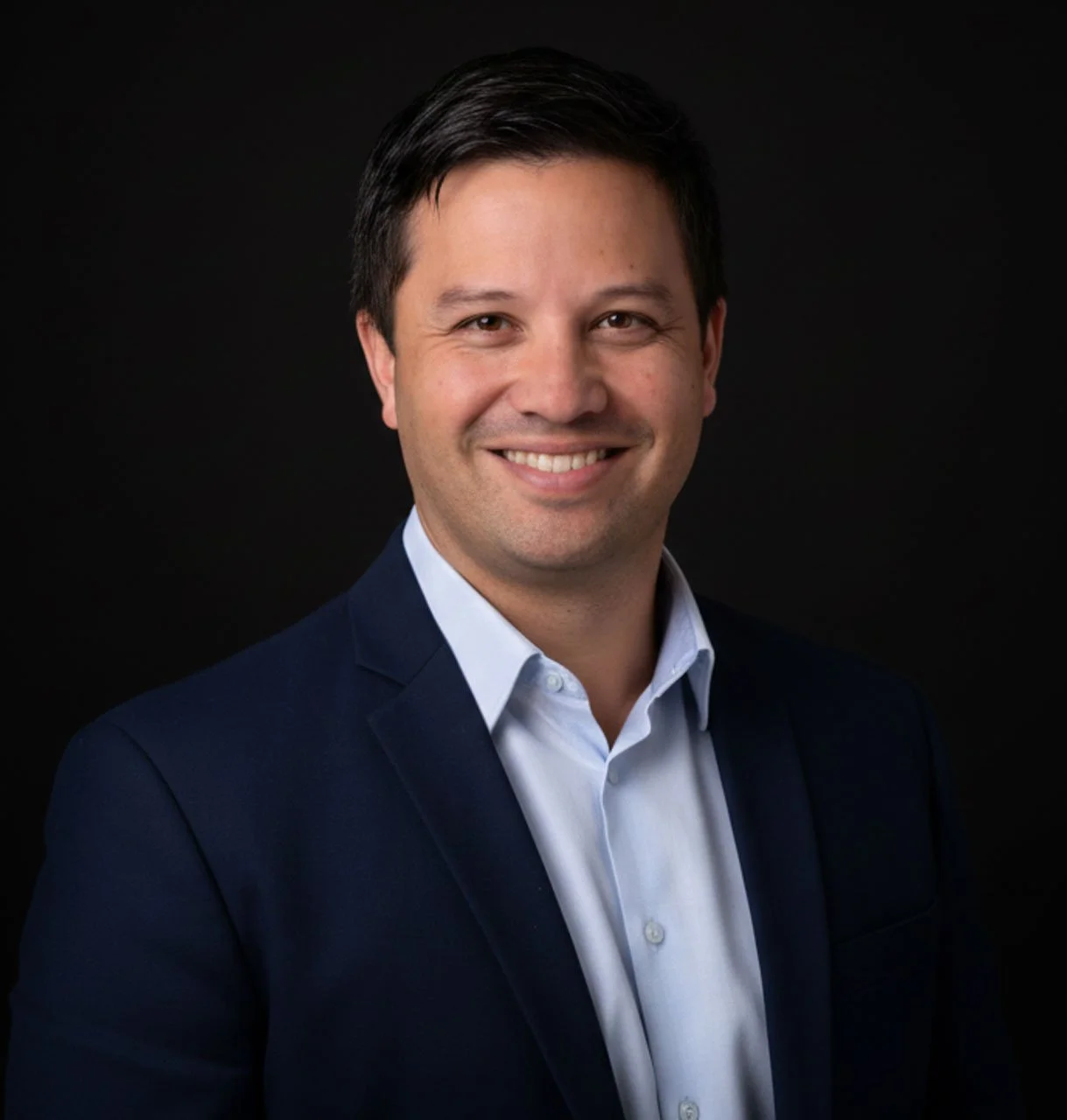
Chief Operating Officer
Daniel is a natural problem solver with a wide skillset across strategy, management, engineering, technology, social licence, and consulting. He has designed and set up successful businesses in a range of industries.
Daniel Abbas
-
He helped setup Spektrum with a desire to demonstrate that resolving conflict is the most commercial and respectful approach to unlocking our future.
Daniel’s background spans strategy, technology and systems engineering, social licence and management consulting. He is recognised for designing operating models that integrate technical, commercial, environmental, and human systems, and for translating complex problem sets into structured, executable processes.
At Spektrum, Daniel is responsible for architecting and operationalising the company. He has led the design of core decision frameworks, internal systems, and delivery processes that allow Spektrum’s approach to be applied consistently across projects, jurisdictions, and partners. His work focuses on ensuring that social licence, legitimacy, and conflict resolution are embedded as practical development capabilities rather than treated as advisory overlays.
Daniel has built and led organisations in environments characterised by high uncertainty, stakeholder complexity, and execution risk. This includes the build and growth of two successful startup businesses. He is known for his ability to bring discipline to ambiguity and to convert strategy into operational reality.
He has extensive international and cross-cultural experience, having worked across Indonesia, Sweden, the United States, Australia, and Vietnam.
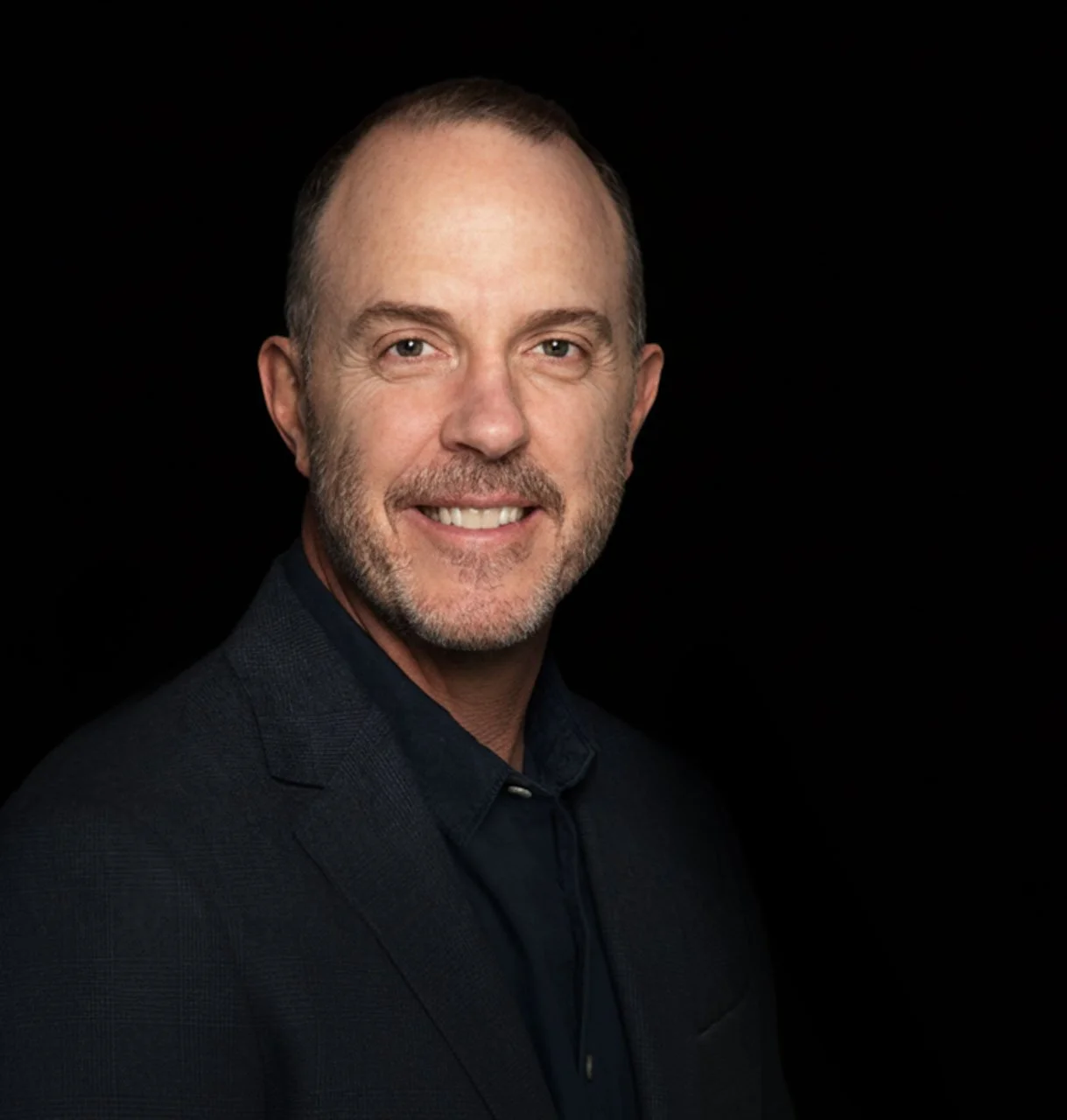
Chief Financial Officer
Tim Bradfield is Spektrum’s Chief Financial Officer, responsible for the financial integrity, capital stewardship and financial architecture of the business.
Tim Bradfield
-
Tim oversees financial reporting, audit, tax, budgeting, cash flow, controls and statutory obligations, ensuring Spektrum’s boards, management and investors have a clear and reliable view of the company’s financial position.
Tim leads Spektrum’s capital management, including its capital structure, cap table, valuations, shareholder transactions and financial modelling for capital raises. He supports investor due diligence and ensures the financial implications of investment terms, dilution and funding decisions are understood before capital is committed.
As Spektrum expands from an operating company into a platform encompassing project SPVs and investment vehicles, Tim is responsible for ensuring that the financial architecture remains coherent across the group. This includes modelling project economics, capital requirements, ownership and returns, and establishing appropriate financial controls and reporting across entities.Working closely with the CEO, Executive Chair, boards and investment team, Tim provides the financial discipline required to translate Spektrum’s strategy into an enduring institution. His role is ultimately to ensure that capital is raised, structured, deployed and governed responsibly, while protecting the financial integrity of Spektrum and creating sustainable long-term value.
Tim brings more than 25 years of senior finance, commercial and governance experience, spanning ASX, NYSE and LSE-listed companies in Australia and internationally. He began his executive career with General Motors, holding regional CFO and finance leadership roles across Europe, Africa, the Middle East, South America and Asia Pacific, based in Zurich and Shanghai. Tim led the Chevrolet business transformation, launching the Cadillac brand into Europe, and guiding GM International through the transition from Chapter 11 bankruptcy to IPO. He went on to serve as Group CFO of ASX-listed MaxiTRANS Industries, leading the turnaround of a heavily indebted, underperforming business into one with positive net cash and delivering a $60 million shareholder return through the divestment of a business unit to private equity, before serving as Group CFO/COO of Simonds Group, leading further financial and operational turnaround and debt refinancing programs. More recently, Tim served as CFO & Company Secretary to ASX-listed Select Harvests, where he led an $80 million capital raise and the restructure of the logistics and supply chain function.
Tim has supported listed and private businesses from $50 million to $700 million in turnover through transformation, turnaround and M&A engagements. He holds a Bachelor of Business from Swinburne University and is a member of the Institute of Chartered Accountants in Australia and New Zealand.
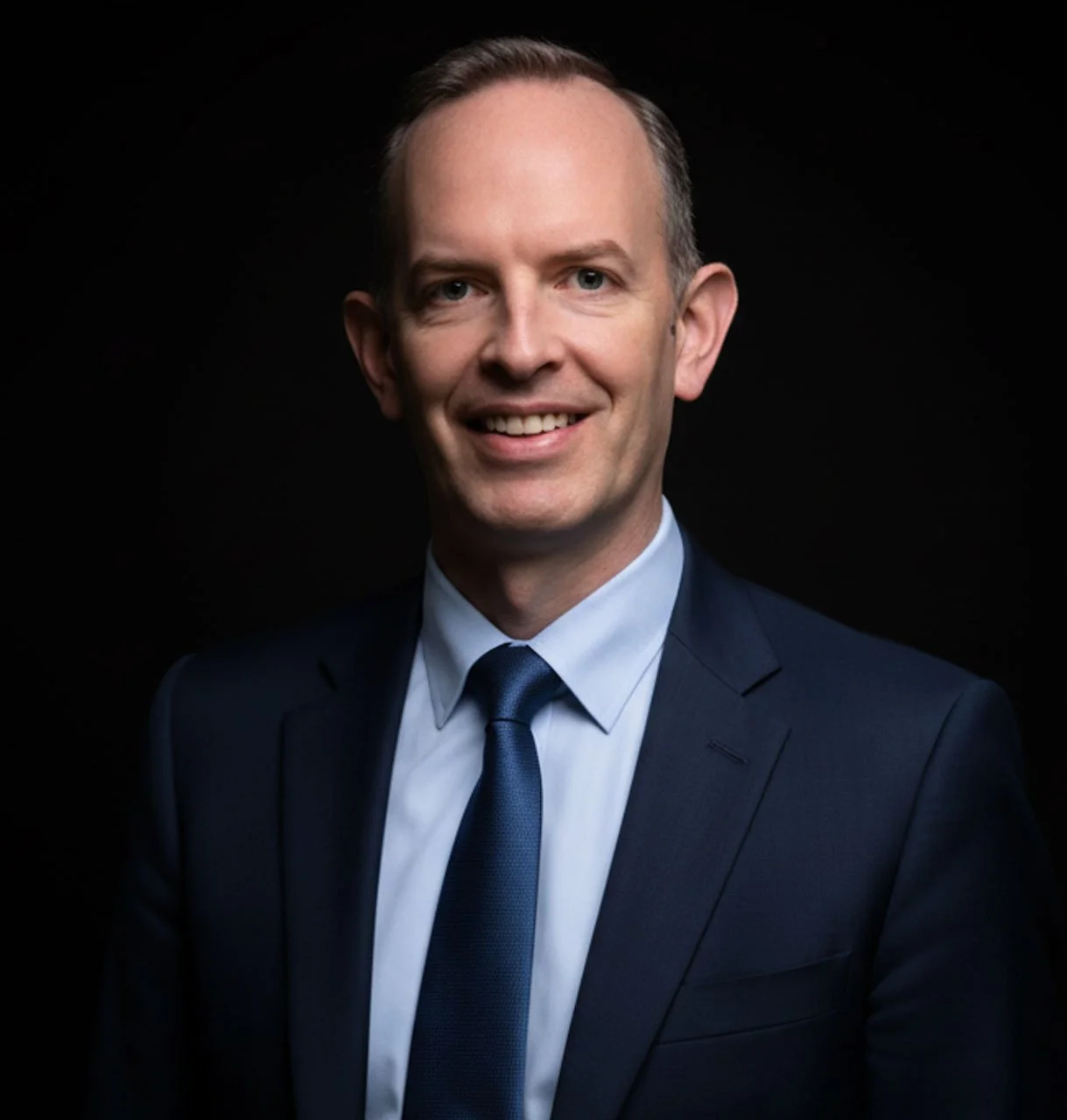
Damian Pearson
Chief Investment Officer
Damian Pearson is Chief Financial Officer and Chief Investment Officer of Spektrum, responsible for capital strategy, investment structuring, and engagement with institutional investors, financiers, and strategic capital partners.
-
Damian is a senior investment and finance executive with more than 25 years’ experience in the global mining sector. Across his career, he has led or been directly involved in approximately USD 42 billion in resource development, financing, and M&A transactions, spanning multiple commodities, jurisdictions, and market cycles.
His experience covers investment management, capital raising, end-to-end mergers and acquisitions, and financing across the capital structure. He has worked across a broad range of commodities, including base metals, battery materials (lithium, nickel, manganese), uranium, iron ore, coking coal, and gold, giving him deep insight into project risk, capital allocation, and investor decision-making across the mining value chain.
At Spektrum, Damian leads the design and execution of the company’s capital strategy, including the structuring and funding of projects through special purpose vehicles (SPVs). He plays a central role in connecting Spektrum’s development capability to global capital markets, translating technical, environmental, social, and governance conditions into investment-grade propositions that meet institutional risk and return requirements.
Damian has extensive first-hand experience with the challenges of permitting and advancing mining projects using traditional development models. This informs his conviction that development by consent materially reduces non-technical risk, improves approval certainty, and strengthens project economics — directly enhancing investor confidence and capital availability.
He has extensive international experience and has lived and worked in Australia, the United Kingdom, Singapore, and Hong Kong, bringing a global capital markets perspective to Spektrum’s development and investment activities.
Head of Indigenous Development and Consent
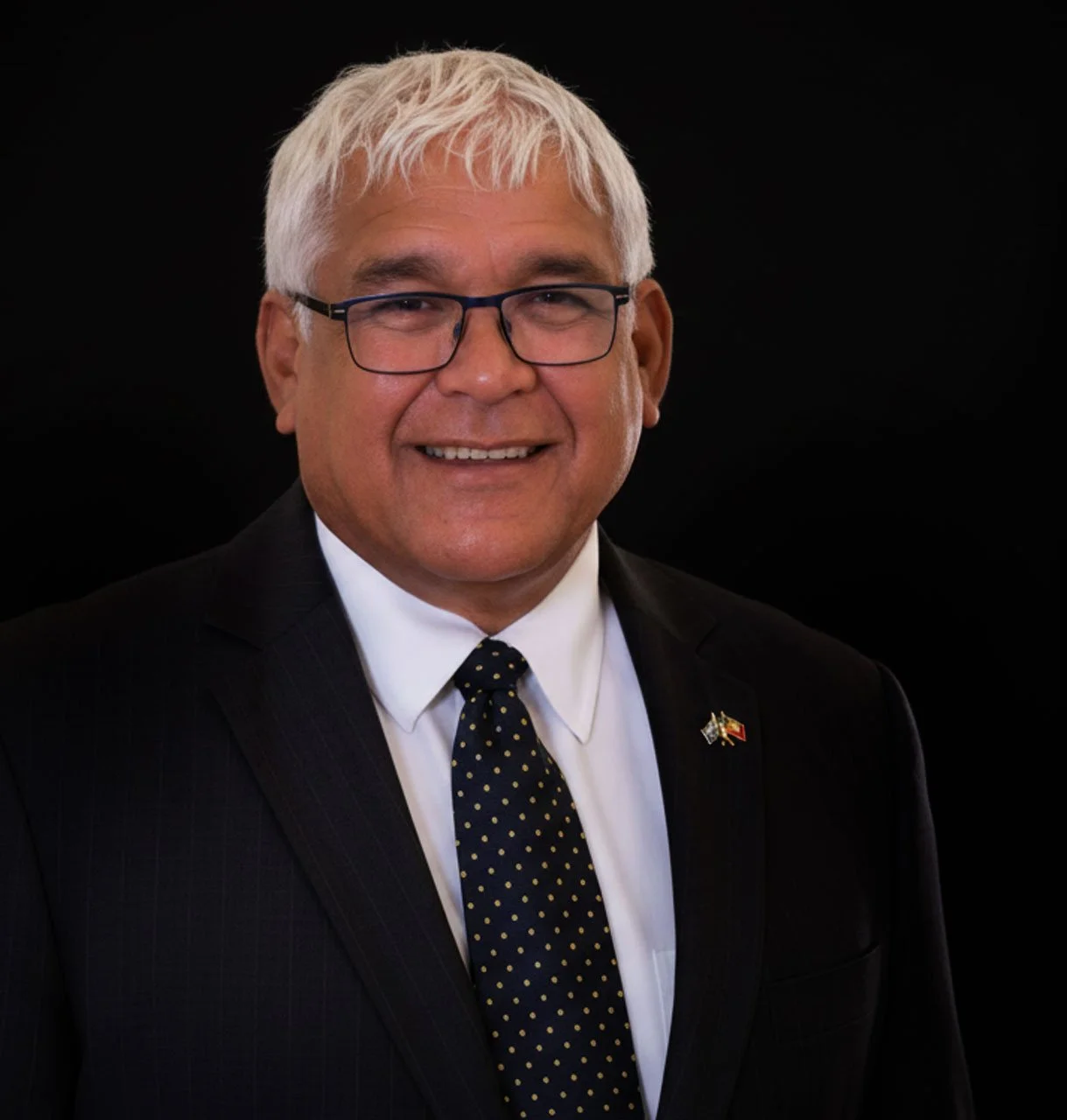
Mick Gooda is Head of Indigenous Development and Consent at Spektrum, responsible for building trusted relationships with Indigenous communities and embedding Indigenous rights, governance, and consent at the core of project development.
Mick Gooda
-
A proud member of the Yiman and Ghangulu peoples of Central Queensland, Mick brings decades of national leadership advancing Indigenous self-determination and meaningful participation in decisions affecting Indigenous lands and communities.
He has held senior statutory and institutional roles, including Social Justice Commissioner at the Australian Human Rights Commission and Co-Commissioner on the Royal Commission into the Protection and Detention of Children in the Northern Territory, where he addressed systemic failure and strengthened rights-based governance.
Mick currently serves as Chair of the Human Rights Law Centre, reflecting his standing in legal accountability and human rights leadership.
His leadership extends to long-term, community-based engagement. He has co-chaired the Close the Gap campaign and chaired the Queensland Stolen Wages Taskforce, combining personal authority and institutional rigour to address historic injustice through structured processes.
Widely recognised as a leading authority on Indigenous governance, constitutional reform, and consent-based decision-making, Mick is respected for his ability to engage directly with communities, listen across difference, and translate community priorities into durable development pathways.
At Spektrum, Mick is the senior relationship lead with Indigenous communities. He works directly with Traditional Owners to support informed participation and establish the conditions for Free, Prior and Informed Consent (FPIC), strengthening legitimacy, reducing conflict risk, and supporting long-term, consent-based outcomes.
Legal Advisor
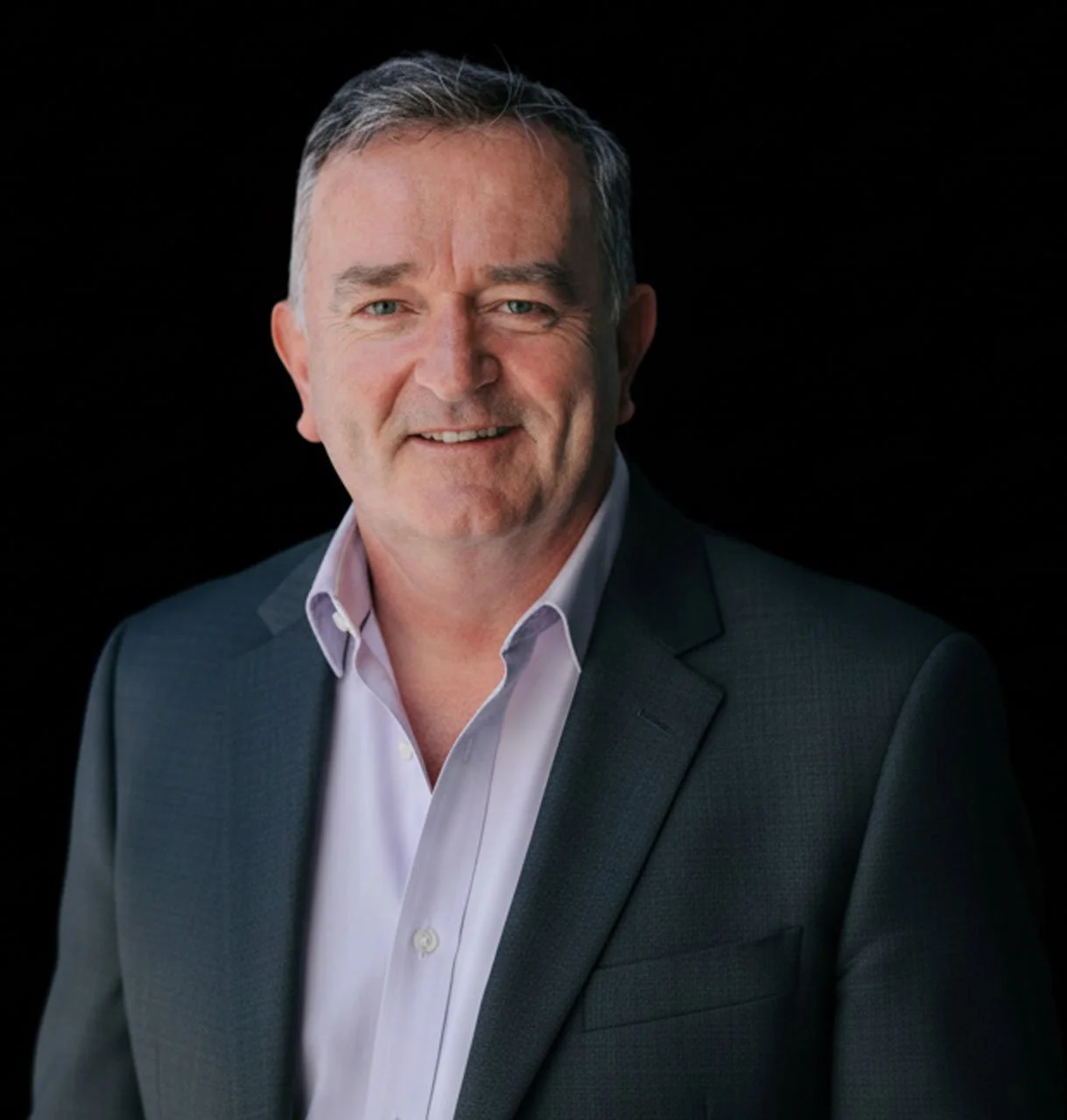
James Fitzgerald is Legal Adviser to Spektrum, bringing more than 30 years’ experience as a lawyer, negotiator, and strategist working at the intersection of Indigenous rights, environmental law, and major project development.
James Fitzgerald
-
James is a recognised authority on Indigenous land use, native title, and social risk in large-scale resource projects. He has worked extensively across Australia, Africa, Asia, and the United States, advising on complex land use agreements, resettlements, community development frameworks, and policy design in high-stakes, multi-party environments.
He was closely involved in the development of Australia’s native title law and policy from its inception and has played a central role in shaping how Indigenous rights are recognised and operationalised in project development. His experience includes negotiating and implementing some of the largest and longest-term native title and mining land use agreements in Australia, often involving multiple Traditional Owner groups, governments, and corporate proponents.
James has also worked globally on social and Indigenous risk for major mining companies, including Rio Tinto, supporting boards and executives to navigate complex legal, cultural, and political contexts and to design development pathways that are both rights-compliant and operationally durable.
In addition to his advisory work, James serves on the board of the Environmental Defenders Office, reflecting his standing in environmental and public interest law and his experience operating at the interface of law, science, community, and governance.
James is known for facilitating cross-disciplinary and cross-cultural collaboration, bringing together legal, technical, commercial, and community perspectives to resolve contested issues and reach durable agreements. He is particularly adept at identifying emerging legal and social risks early, navigating politically sensitive environments, and designing innovative solutions in complex regulatory and institutional settings.
He holds a current Australian practising certificate issued by the Law Society of New South Wales and is an Adjunct Associate Professor at the University of New South Wales Law School.
At Spektrum, James provides critical legal and strategic guidance on Indigenous rights, consent, and land access, ensuring that development pathways are grounded in legal robustness, procedural fairness, and respect for Indigenous governance — strengthening legitimacy, reducing risk, and supporting durable project outcomes.
Louise Cherrie
General Manager - Environment, Health and Safety
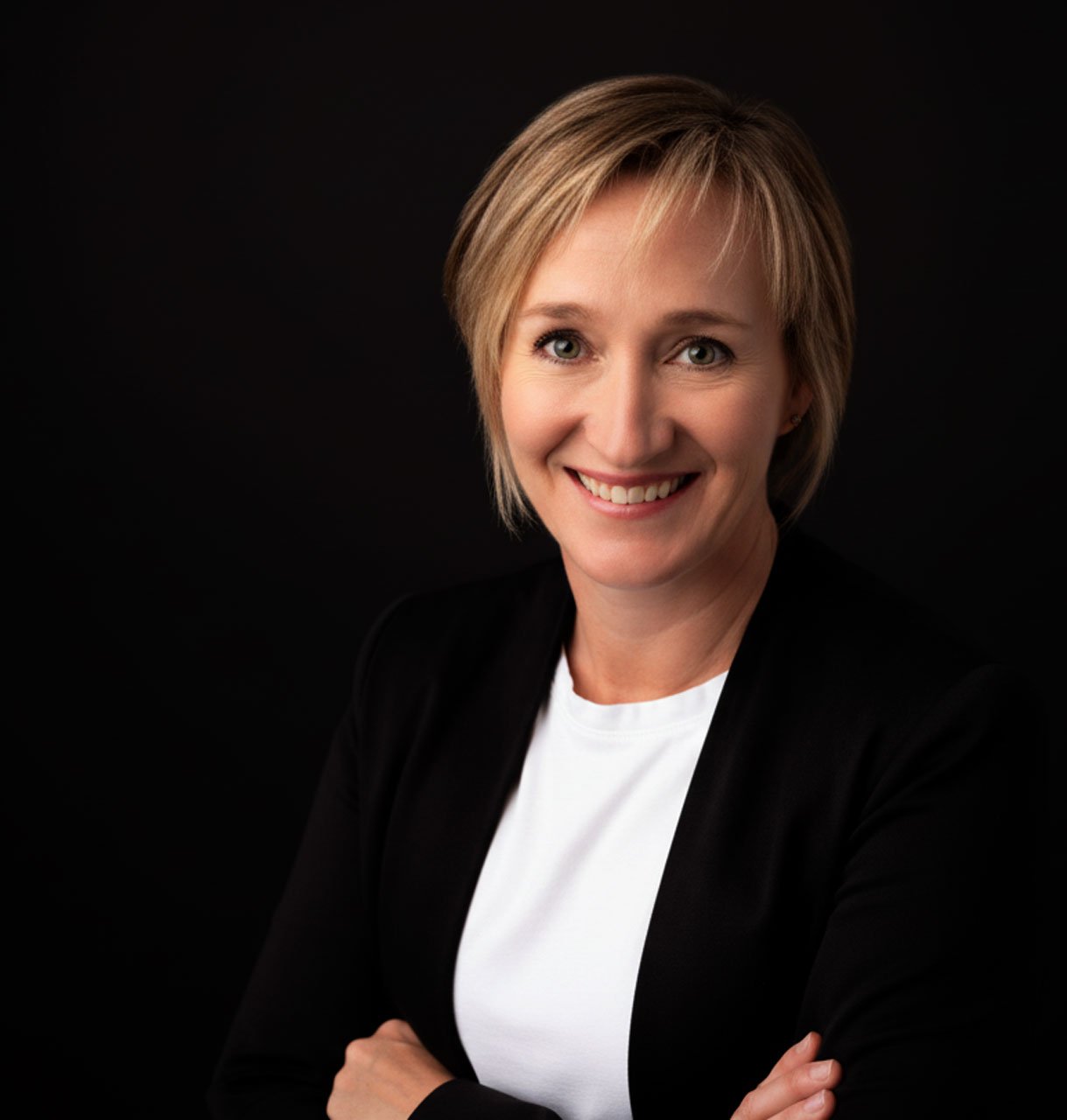
Louise Cherrie is General Manager, Environment, Health and Safety at Spektrum, responsible for leading environmental, health and safety strategy across project development, permitting, delivery, and life-of-operation assurance.
-
Louise is a highly experienced environment, health and safety professional with a strong track record in regulated industries, including mining, processing, energy and utilities. Her expertise spans the full project lifecycle — from early-stage approvals and permitting through to implementation, operational assurance, and continuous improvement over the life of an asset.
She brings deep regulatory and governance experience, having served on the Board of the Tasmanian Environment Protection Authority, alongside other senior scientific and advisory roles. This experience gives her a practical understanding of regulatory expectations, evidentiary standards, and the interface between proponents, regulators, and communities.
Louise’s professional background is grounded in science, supported by senior leadership roles across complex operating environments. She is recognised for delivering integrated, pragmatic solutions to environmental, health, and safety risk — solutions that are robust under regulatory scrutiny and aligned with broader business objectives.
At Spektrum, Louise plays a critical role in integrating environmental and safety considerations into the company’s development system. She works closely with engineering, governance, finance, and social teams to ensure that environmental limits, safety requirements, and operational risk are addressed early, coherently, and credibly — reducing approval risk and strengthening long-term project performance.
Louise is a strong and experienced leader with extensive team management capability. She is known for an empowering, transparent, and collaborative leadership style, and for her ability to build trust quickly with regulators, project teams, and external stakeholders.
She is firmly of the view that strong economic outcomes are compatible with strong safety, health, environmental, and community outcomes when sound science, good engineering, and principled engagement are applied together.
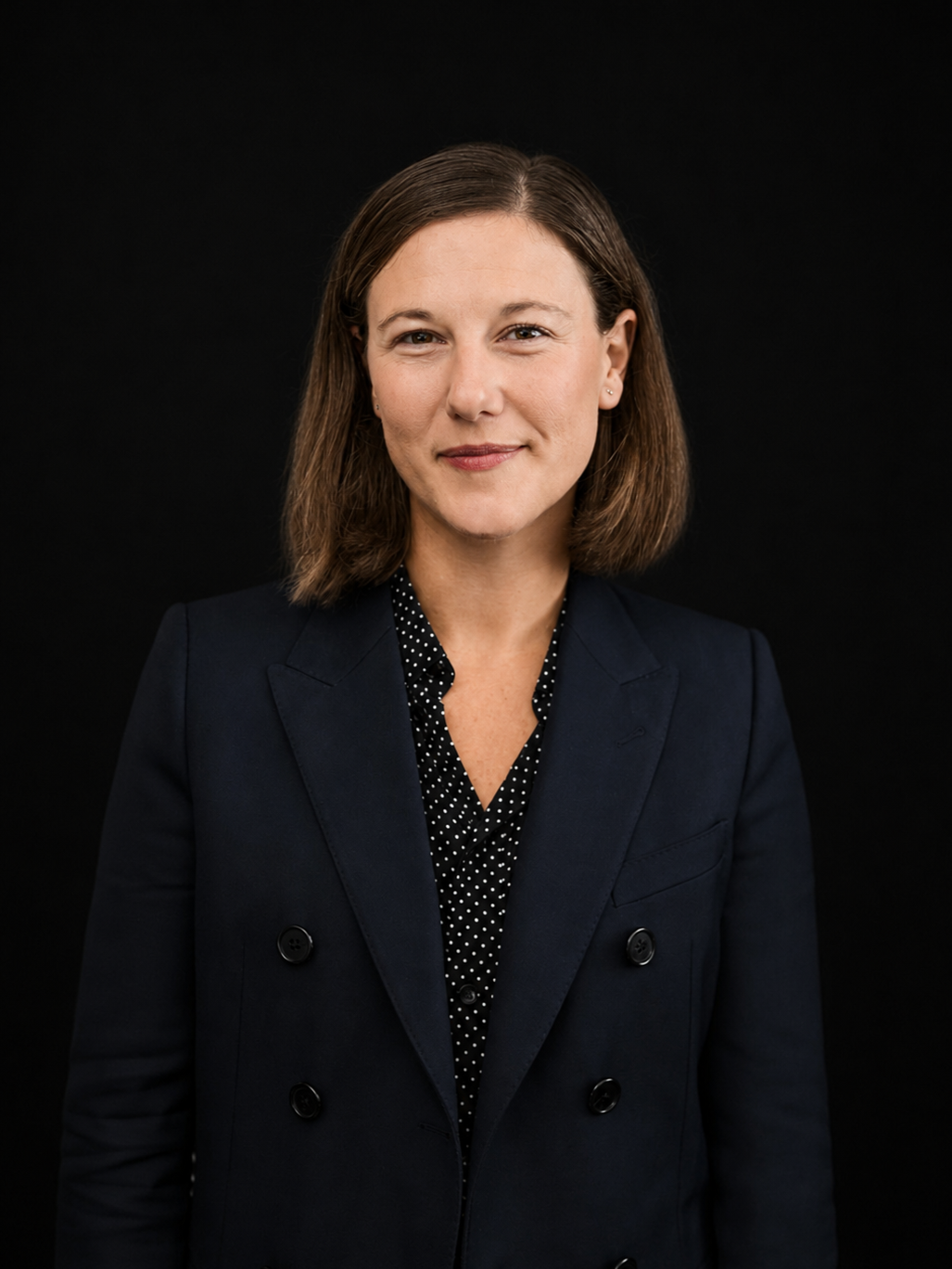
Kara Hurry
Head of Market Strategy & Commercial Development
Kara Hurry is Head of Market Strategy & Commercial Development at Spektrum, responsible for translating critical-minerals development into credible market positioning, demand-side frameworks and narratives, and stakeholder engagement that supports responsible, investable project outcomes.
-
Kara Hurry is a senior commercial leader and non-executive director with more than 15 years' experience translating complex, origin-led and ESG-led products into credible market propositions — across agriculture, fibre, fashion, food and beverage, and technology.
She has successfully repositioned agricultural products for premium international markets, commercialised traceability technology across regulated global supply chains, accelerated climate technology adoption across fragmented value chains, and built the market narratives that connect upstream integrity to downstream value.
This gives her a practical understanding of how end-market expectations, regulatory frameworks, and consumer accountability requirements shape project design, product positioning, and stakeholder confidence. That experience directly supports Spektrum's ability to articulate responsible supply-chain value to capital markets, offtake partners, and community stakeholders.
She is a Graduate Member of the Australian Institute of Company Directors (GAICD, Merit, 2025) and a current Non-Executive Director of Australia's Oyster Coast.
At Spektrum, Kara brings her experience to critical-minerals development — ensuring responsible production is structured as a valuable market and investment proposition, not just a compliance requirement. She works across market and commercial strategy and demand-side narrative to support project bankability, social licence, and long-term commercial outcomes.
Kara also brings governance rigour and independent judgement developed across board and NED roles spanning private, not-for-profit, and peak industry organisations — ensuring the Spektrum Advisory Committees operate with structural integrity, clear accountability, and a mandate that meaningfully supports project credibility and investor confidence.
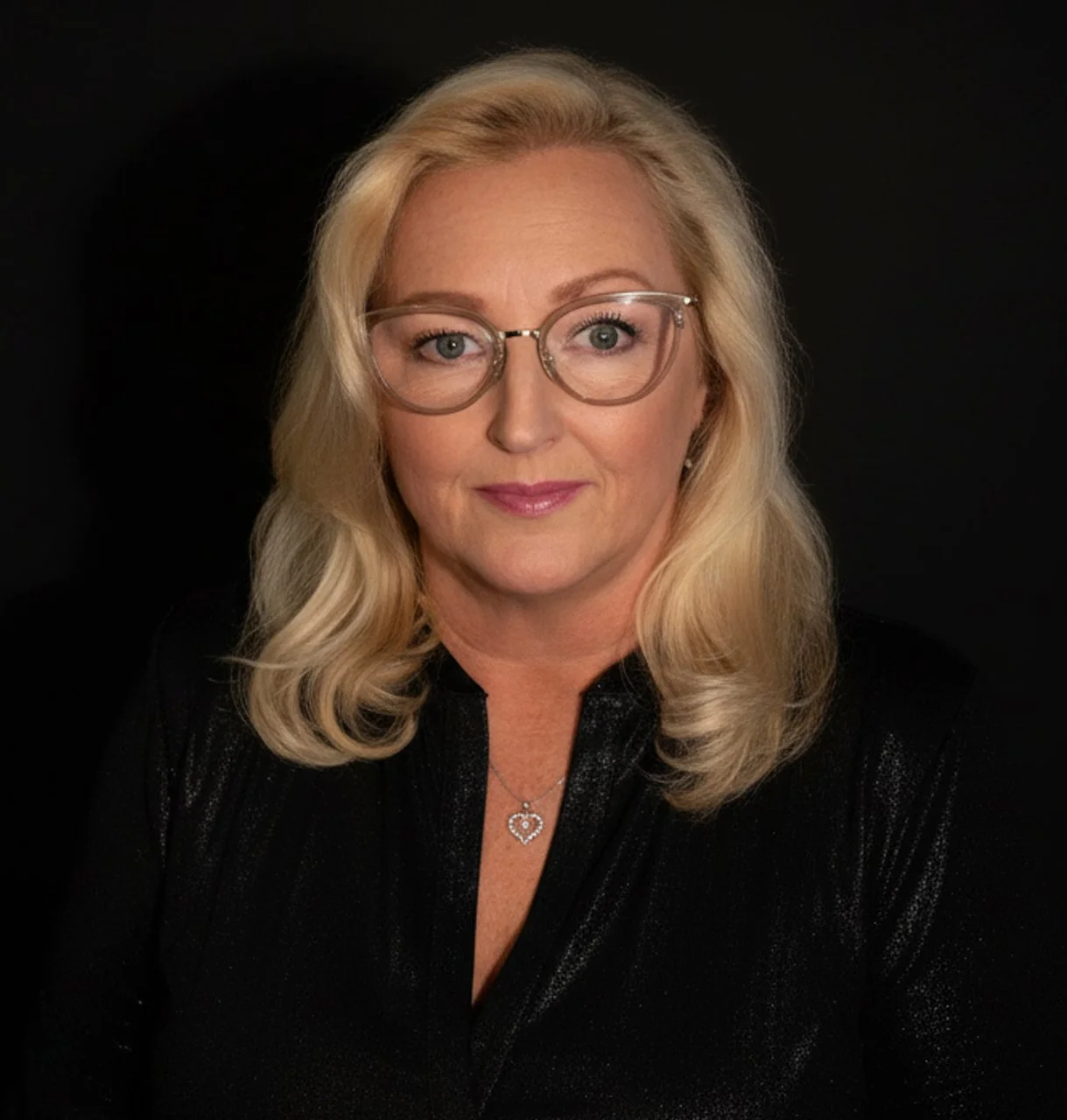
Minna Grip
Associate – Nordic Region
Minna Grip is Associate – Nordic Region at Spektrum, based in Finland, where she supports advisory services, stakeholder engagement, research, market insight, and project facilitation across the Nordic region.
-
Minna brings more than 30 years’ experience working at the intersection of industry, government, and sustainability, with a career spanning industrial strategy, brand and reputation leadership, external engagement, and complex project delivery. She works fluently in Finnish, English, German, and Swedish.
She began her career at ship design company Elomatic, developing an early understanding of large-scale industrial projects and engineering-led delivery environments. She later joined Metsä Group, one of Europe’s largest forest-based industrial groups, where she held senior international roles across global sales, brand strategy, and group-level positioning. At Metsä, Minna worked within a highly regulated, resource-intensive sector facing increasing public, policy, and market scrutiny, contributing to brand and reputation strategy during a period of structural change and rising sustainability expectations.
Following Metsä, Minna worked as an entrepreneur in Finland, the United States, and the United Kingdom, leading major branding, market-entry, and strategy development projects across multiple industries. More recently, she served as Communications Director and a member of the management team at Tapio Group, a state-owned expert organisation supporting Finland’s bioeconomy, forestry, and land-use policy, and as Head of External Engagement at Neste, the world’s leading producer of sustainable aviation fuel and renewable diesel. In these roles, she operated at the interface of industry, government, and civil society, supporting policy-aligned project development, stakeholder engagement, and the scale-up of globally significant sustainability solutions.
At Spektrum, Minna plays a lead role in introducing the Development by Consent model into operating Nordic businesses. She supports early project design, stakeholder and government engagement, and acts as a trusted local point of contact for partners navigating complex regulatory, social, and sustainability contexts across the Nordic region.
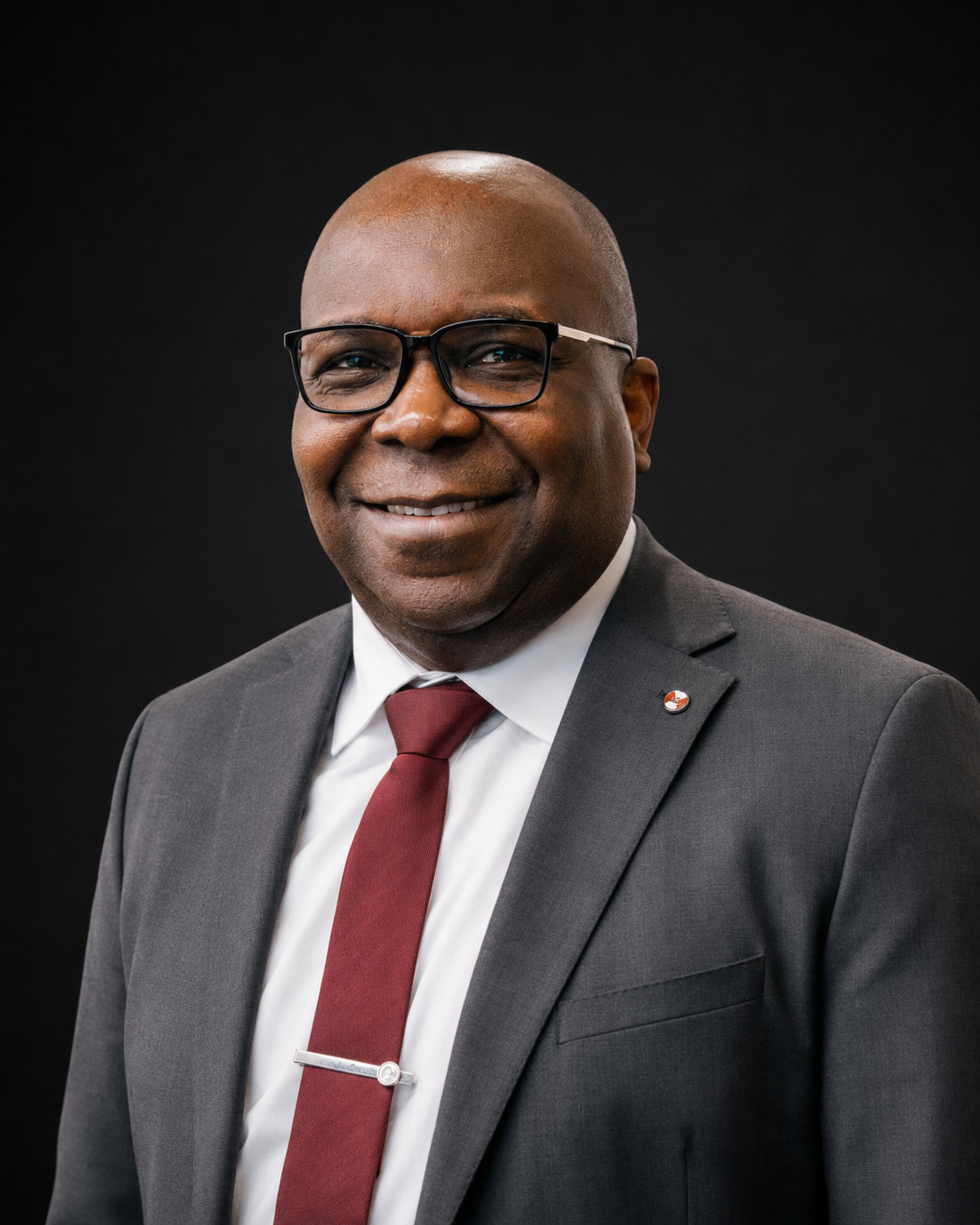
Bonny Ibhawoh
Executive Advisor on International Development Policy
Bonny Ibhawoh is an Executive Advisor on International Development Policy at Spektrum, bringing more than 30 years of experience as a human rights educator, policymaker, and international development expert. He is a professor of global human rights and development studies and has taught at universities in Africa, Europe, and North America. He previously served as Chair of the United Nations Expert Mechanism on the Right to Development.
-
Bonny guides Spektrum on the aspects of human rights, governance, participation, and community legitimacy in international development. His expertise is particularly valuable for projects in complex social and political settings, where development efforts need to gain trust from governments, communities, civil society, investors, and international bodies. He combines academic knowledge with practical policy experience, aiming to turn human rights principles into effective development strategies, reforms, and participatory governance practices.
As a former United Nations independent expert, Bonny has worked at the highest levels of international human rights and development policy. He chaired the UN Expert Mechanism on the Right to Development, leading engagement with member states, international organizations, civil society, and affected communities. His UN work has focused on the practical implementation of the right to development, including inequality, racism, climate justice, social protection, participation, and international cooperation. He has also served as a policy consultant to the Office of the UN High Commissioner for Human Rights, the United Nations Development Programme, and the United Nations Office on Drugs and Crime.
Bonny serves as the Project Director of Participedia, the largest open-access platform and research network dedicated to public participation and democratic innovation worldwide. The platform unites researchers, practitioners, policymakers, students, and civil society organizations from over 20 institutions and various regions to record how communities engage in public decision-making. Under his guidance, Participedia has solidified its position as a leading global resource for topics such as citizen engagement, deliberative democracy, participatory budgeting, truth commissions, community consultation, and rights-based governance.
At Spektrum, Bonny brings senior advisory expertise at the intersection of development, governance, human rights, and consent. He helps strengthen approaches that place communities at the center of development decisions, reduce legitimacy risks, and align project strategy with international human rights standards, the Sustainable Development Goals, and the realities of affected populations.