
Endorsements
We are a global team redefining how critical minerals value chains get built.
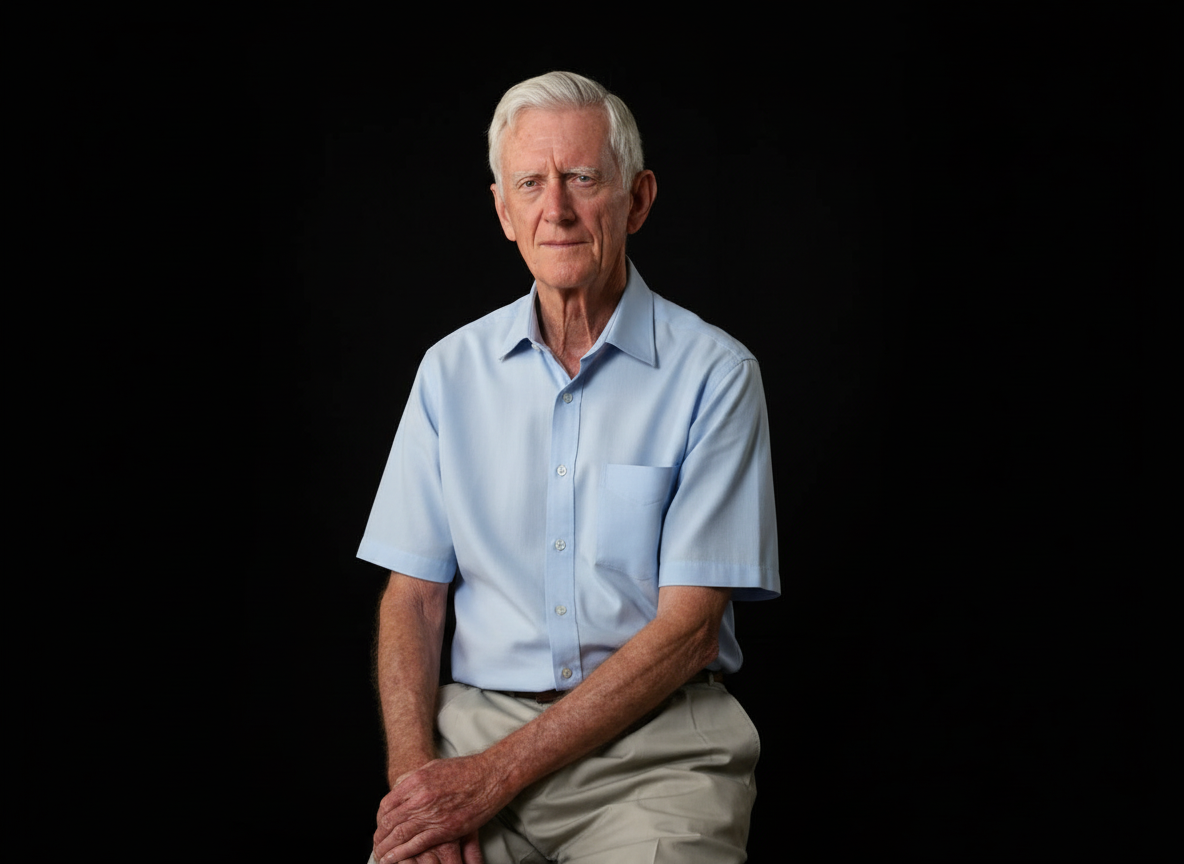
I have known Katherine for about 20 years. We first met as members of a resources advisory committee to the Victorian Government. I was Chairman and Katherine was a constructive and creative member. At this time Katherine was the owner and MD of her creation Futureye, a company she set up to assist companies, particularly those in mining and mineral processing, to gain community support for their developments. Katherine asked me to be her Chairman which was really more of a mentoring role than the normal Chairman position. What I observed was how effective the methods were. For example, OneSteel in Whyalla had the community against them over iron ore dust which the company was inclined to do little about maybe relying on the fact that the whole community depended on the steel works staying open and profitable. Katherine was able to convince the management to address the issue, openly with the community, and an economic abatement was developed that satisfied the community and the company. This is but one example of many in the successful resolution, of usually an environmental issue, with the community involved. Katherine has now moved on in many ways but her commitment to solving roadblocks to development remains. Her concept of creating mining opportunities from frozen assets, frozen due to environmental restrictions, is in my opinion a very good business concept. The assets will be cheap and Katherine has the skills to deal with community resistance. Katherine has faced many challenges which she has dealt with gracefully and courageously. I think she has the skill, and fortitude to bring this business idea to life.
Former Chairman of BHP
Jerry Ellis, AO
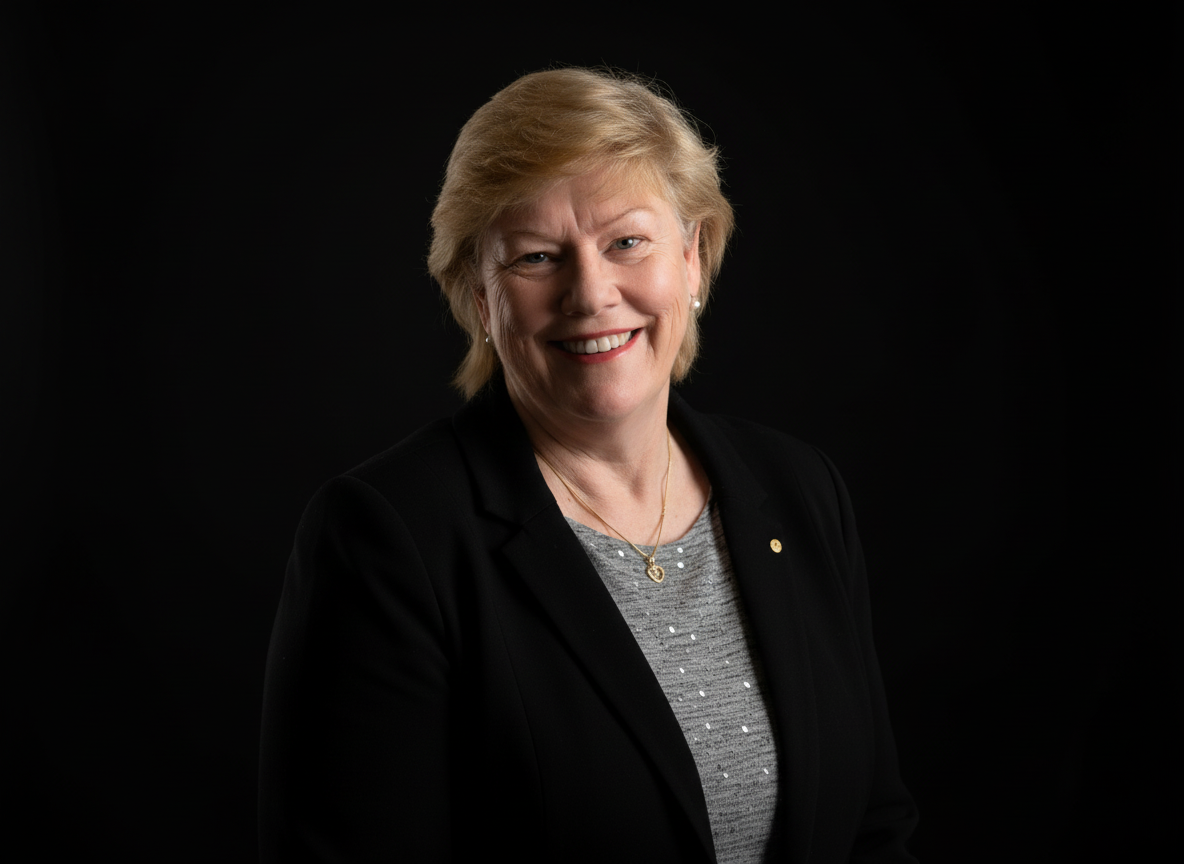
The mining industry faces a new challenge. State and national governments are responding to community concerns and slow development timetables by removing or diluting ownership of mining tenements (e.g. Jadar in Serbia; Simandou in Guinea). At the same time all levels of government are looking to capture more of the downstream processing in the areas of critical and battery minerals and decarbonise their energy market. These trends create an opportunity for new entrants into the mining sector that can build social licence and bring value to communities while working constructively with local, state and national governments. Katherine Teh has an extensive track record of anticipating and resolving conflicts between communities and resource companies. She has developed a unique methodology to understand, approach and resolve such conflicts and has in many cases turned communities into advocates for a project.
I first worked with Katherine Teh when at BHP to understand community and social issues such as climate change, water and social licence and their impact on the future of mining. We have continued to work closely and I deeply respect her capability and experience. She is the leading global expert in social licence. This leadership is built on pragmatic on-the-ground experience with successful collaborations across the coal, mining, agriculture and other sectors. I endorse Katherine's vision to bring a new approach to mining and social licence.
Chancellor, Monash University
Dr. Megan Clark, AC

Redmond Barry Distinguished Professor Emeritus, University of Melbourne and Director, Superpower Institute
Prof Mike Sandiford
One of the most daunting of the many challenges in meeting climate goals, such limiting global warming to 1.5°C, is delivering the critical minerals needed for “electrification of everything”. At around 20% per year over several decades, the demand growth for critical minerals on the net zero pathways is unprecedented. For countries like Australia with abundance in both mineral resources and cheap renewable energy, the economic opportunities for both mining and processing are immense, but only if the challenges of bringing new resources in a timely fashion can be overcome. Not least amongst the challenges will be building consensus for resource developments amongst all stakeholders including impacted communities; that is securing a "social license".
For many years now, Katherine Teh has been a leading practitioner in resource development social license governance, culture and regional development. Her ongoing focus on critical mineral resource development will assuredly continue to provide a guiding light for the industry best practise, and will be crucial for Australia realising the immense opportunities afforded by its extraordinary resource endowments, as most recently espoused in the "Superpower Transformation".